Showing posts with label Power Foods. Show all posts

Monday, May 26, 2014

Hungry For Change

Occasionally, I have free time to sit down, prop up my feet, and watch something on Netflix. This past weekend I decided to watch a documentary called "Hungry For Change: Your health is in your hands". This documentary really challenged me look at the food choices that I make on a daily basis. They communicated the importance of our need to stop dieting and completely change our lifestyle.

source

One of my favorite things that they talked about was that we need to begin to transform our minds. Personally, I believe that God's word is the only way to truly renew our minds and we need to fill our minds with scripture. However, I believe that there is value in the quote shown below.

If I tell myself that we can't have something, I feel deprived and want that food more than ever. However, if I recognize that I can eat anything I want, but I choose not to. Well now that gives me power over food, so that I do not have to be controlled by my cravings.


As a result of this movie, I am going to focus on eating more Weight Watchers Power Foods for the next few weeks. I tried the Simply Filling plan when I was pregnant with Sophie, but I didn't do a very good job of staying on plan. This time around, I am really going to focus on making healthy foods choices and being careful about what I put in my body.

How can you begin to make healthier food choices today!?

Friday, March 21, 2014

Recent Food Finds

I just realized that I have not posted any new food finds in a long time! Here are some new snacks that are now available in stores near you. I also posted the various serving sizes and pointsplus+ values for each food item.

{Rold Gold Pretzel Thins Garlic Parmesan or Three Cheese}
Serving Size:  1 pouch or 1 ounce / 13 pretzel thins
3 pointsplus+


{Weight Watchers Peanut Butter Cookie Explosion Mini Bars}
Serving Size: 1 mini bar
2 pointsplus+


{Special K Moments Caramel Pretzel Bites}
Serving Size: 1 indulgent snack bite
2 pointsplus+


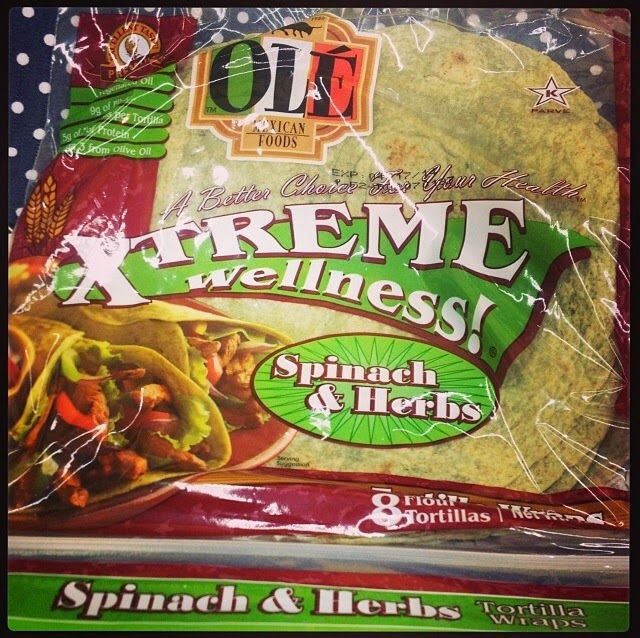
{Ole Mexican Foods Xtreme Wellness! Spinach & Herb Tortilla Wraps}
Serving Size: 1 tortilla wrap
1 pointsplus+

Be sure to follow me, because all of the new foods that I find get posted to my Instagram (@JenNewsham) and/or my Twitter (@JenNewsham).

Tuesday, February 11, 2014

Learning to Enjoy Healthy Foods

source

As a child, I never liked yogurt. Every few months, I would ask my Mom to buy me a yogurt from the store. No matter what flavor or brand of yogurt I tried, I never liked it. It took years before I finally acquired a taste for yogurt. However, even then I only liked Yoplait strawberry yogurt mixed with crunchy granola. To this day, I still do not like eating yogurt all by itself without something mixed in with it.

It was an even bigger accomplishment when I finally tried, and liked, Greek yogurt. When I first started trying Greek yogurt my favorite Greek yogurt was Chobani. I shared about this in a blog post back in November 2013, "My New Favorite...Greek Yogurt". I really enjoy the flavored Greek yogurts with the fruit at the bottom and as you might have guessed, I add granola to my Greek yogurt as well.

I'm sure that there are "healthier" ways to eat Greek yogurt. However, right now, I would not eat Greek yogurt that way, at least not yet. Isn't it better that I eat flavored Greek yogurt with granola than none at all?

I honestly think it's better to eat a modified version of healthy foods than none at all. For me, it is yogurt, but maybe for you it's something else that you've been unwilling to try. Maybe you don't like vegetables. That's okay! Why don't you try dipping your veggies in a lite dressing? Like I said before, I believe it's better to eat the veggies with dressing than to not eat them at all.

Is there a food out there that you've been unwilling to try? What can you add to it or pair it with to make it more appealing to you?

Remember that creating healthy habits do not happen overnight! Creating healthy habits takes trial and error & time. So be patient with yourself and don't be so quick to turn down foods that are good for you.

Tuesday, November 6, 2012

Thanksgiving Challenge: Week 6 - Power Up

For the last five weeks we have been making small changes to help us be more successful in our weight loss. It's hard to believe that we only have 3 weeks left!!


I am so excited about this week's task! This week, we are supposed to include one Weight Watchers Power Food at each meal. I included the Weight Watchers Power Foods List below so that you could begin to add in these foods throughout your day. I do not eat a Power Food with each meal, but I am going to try to accomplish this goal throughout this week.

Power Foods List
Fruits
Included: All fresh, frozen or canned fruits without added sugar (unsweetened) — whether or not it has PointsPlus values per serving

Not included: Dried fruit, fruit juices

Apple
Applesauce, unsweetened
Apricots
Banana
Berries, mixed
Blackberries
Blueberries
Boysenberries, fresh or frozen, unsweetened
Cantaloupe
Casaba melon
Cherries, fresh
Clementine
Cranberries, fresh
Currants, fresh
Dates, fresh
Elderberries
Figs
Fruit cocktail, canned, unsweetened
Gooseberries
Grapefruit
Grapes
Guava
Honeydew melon
Jackfruit, uncooked
Kiwifruit
Lemon
Litches (lychees)
Lime
Loganberries
Loquats
Mandarin orange (tangerine)
Mango
Melon balls
Mulberries
Nectarine
Orange
Papaya
Passion fruit
Peach
Pear
Pineapple
Plums
Pomegranate
Raspberries
Sharon fruit
Pumpkin
Starfruit (carambola)
Strawberries, fresh
Tangelo
Tangerine (Mandarin orange)
Watermelon

Vegetables
Included: Most fresh, frozen, or canned without added sugar or oil — whether or not it has PointsPlus values per serving; potatoes — white, red, sweet
 

Not included: Juices, vegetables prepared with ingredients that are not Weight Watchers Power Foods (for example, corn in butter sauce, dried tomatoes packed in oil); avocados; French fries; olives; plantains; sweet pickles
Artichoke hearts, cooked
Artichokes, cooked
Arugula
Asparagus, cooked or uncooked
Beans
Beans, refried, fat-free, canned
Beets Bok choy, uncooked
Borscht
Broccoli, cooked or uncooked
Brussels sprouts, cooked
Cabbage, all varieties, cooked or uncooked
Carrots
Cauliflower, cooked
Celeriac, cooked
Celery
Chard, Swiss, cooked
Collards, cooked or uncooked
Corn
Corn on the cob
Cucumber
Dandelion greens, cooked or uncooked
Edamame, in pods
Eggplant, cooked or uncooked
Endive
Escarole
Fennel
Giardeniera (vegetable medley, without olives, packed in vinegar)
Grape leaves
Greens beet collard dandelion kale mustard turnip
Jerusalem artichokes (sunchokes)
Jicama
Kohlrabi
Leeks, cooked
Lentils, cooked
Lettuce, any type
Malanga
Okra, cooked or uncooked
Onion
Parsnips
Peas
Pepper, any type
Pimientos, canned
Potatoes
Potatoes O’Brien, frozen
Potatoes, new, cooked
Potatoes, sweet
Potatoes, white or red
Pumpkin
Radicchio, uncooked
Radishes
Rhubarb, cooked or uncooked
Rutabaga, cooked or uncooked
Salad
Salsa
Sauce, tomato, canned
Scallions
Spinach, cooked or uncooked
Sprouts
Squash
Squash leaves
Stir-fried vegetables, without sauce
Taro, cooked
Taro leaves, cooked Tomato paste
Tomato puree, canned
Tomatoes
Turnips, cooked or uncooked
Yam
Zucchini, cooked

Whole Grains
Barley
Bulgur
Cereal, hot
Cornmeal
Couscous, whole-wheat
Hominy, cooked or canned, whole
Kasha (buckwheat groats)
Macaroni
Millet
Pasta
Popcorn
Quinoa
Rice brown, cooked wild, cooked
Spaghetti
Urad dal (split matpe beans without skin)
Wheat berries, cooked

Non-Fat Dairy and Dairy Substitutes
Cappuccino made with fat-free milk
Cheese cottage, fat-free hard or semisoft, fat-free soy, fat-free ricotta, fat-free
Cream, sour, fat-free
Creamer
Latte made with fat-free milk
Milk fat-free soy, calcium-fortified, unflavored
Soy cheese, hard or semisoft, fat-free milk, calcium-fortified, plain yogurt, plain
Yogurt fat free, plain light, artificially sweetened

Lean Proteins
Not included: Canned fish or shellfish packed in oil; meats or fish with breading or added fat; Processed meats, such as hot dogs 
Beans, refried, fat-free, canned
Beef
Beef, ground
Bison, lean, all visible fat trimmed, cooked
Buffalo, water, trimmed, cooked or raw
Caviar (fish roe), any type
Chicken breast drumstick giblets, cooked gizzard, cooked
Cornish hen, cooked, without skin
Egg whole, chicken substitute white, chicken
Elk, cooked or raw
Fish
Ham
Lamb
Lobster, steamed
Luncheon meat
Ostrich, cooked
Peas, black-eyed (cowpeas), cooked
Pork
Sashimi
Seitan
Shark, cooked
Shellfish
Tofu
Tripe, beef, cooked
Tuna, grilled, frozen
Turkey
Veal
Vegetarian burger, frozen, fat free
Venison, cooked

Plus More
Bouillon (any type except court)
Bread, reduced-calorie, any type
Broth, any type
Chicory (curly endive)
Gelatin, sugar-free
Kim chee
Muffin, English, light
Mushrooms
Pickle, unsweetened
Pico de gallo
Poi
Roll, hamburger or hotdog
Sauerkraut
Soup
Sweetbreads, cooked
Tempeh (fermented soybean cake)
Water chestnuts
Watercress

Monday, April 2, 2012

Facts on Fiber


This morning, I want to give you the meeting summary from my Weight Watchers meeting on Saturday, March 31, 2012.

Although fiber is an essential component of our diets, most Americans only get half the daily recommendation.

The recommended daily intake of fiber for men is 38g and it is 25g for women. 

What is fiber?
A variety of definitions of fiber exist. In an attempt to develop one definition of fiber that everyone can use, the Food and Nutrition Board assembled a panel that came up with the following definitions:

• Dietary fiber consists of nondigestible carbohydrates and lignin that are intrinsic and intact in plants. This includes plant nonstarch polysaccharides (for example, cellulose, pectin, gums, hemicellulose, and fibers contained in oat and wheat bran), oligosaccharides, lignin, and some resistant starch.
• Functional fiber consists of isolated, nondigestible carbohydrates that have beneficial physiological effects in humans. This includes nondigestible plant (for example, resistant starch, pectin, and gums), chitin, chitosan, or commercially produced (for example, resistant starch, polydextrose, inulin, and indigestible dextrins) carbohydrates.
• Total fiber is the sum of dietary fiber and functional fiber. It's not important to differentiate between which forms of each of these fibers you are getting in your diet. Your total fiber is what matters.

You may also hear fiber referred to as bulk or roughage. Call it what you want, but always remember that fiber is an essential part of everyone's diet. While fiber does fall under the category of carbohydrates, in comparison, it does not provide the same number of calories, nor is it processed the way that other sources of carbohydrates are.

This difference can be seen among the two categories that fiber is divided into: soluble and insoluble.
• Soluble fiber dissolves in water to form a gel-like substance. Sources of soluble fiber are oats, legumes (beans, peas, and soybeans), apples, bananas, berries, barely, some vegetables, and psylluim.
• Insoluble fiber increases the movement of material through your digestive tract and increases your stool bulk. Sources of insoluble fiber are whole wheat foods, bran, nuts, seeds, and the skin of some fruits and vegetables.

Fiber is proven to help with weight control, controlling diabetes, preventing heart disease, helping with bowel disorders, and preventing/treating constipation.

There's a reason we made all fruits and most veggies Power Foods – and 0 PointsPlus® values: They're a fabulous tool for weight loss. But if you're like many people, you may find it hard to fit five servings of fruits and vegetables into your menu each day. It's a big adjustment at first, but it's an important part of the Plan, so do what you can to make the change. It's worth it. In addition to all fresh fruits and most vegetables having zero PointsPlus values, fruits and veggies offer the following perks:
• They make you feel fuller
• They're rich sources of disease-fighting antioxidants
• They reduce the risk of heart disease
• They provide folic acid, vitamins and minerals
• They increase energy, fight infection, improve regularity, keep skin healthy, promote normal blood clotting and build bones

Some helpful hints about fiber 
1. Increase slowly: The best way to begin is to figure out how much fiber you are currently eating each day. Once you know your number, you can begin to slowly increase how much you are eating until you reach your recommended amount. Increasing too quickly can lead to gas, bloating, and/or diarrhea.

2. Add the fluids: If you do not have enough fluids (preferably water) with your high-fiber diet, you may end with the problem that you are trying to avoid: constipation. Get into the habit of drinking a minimum of 2 cups of a calorie-free beverage between each meal and you will avoid any unwanted problems.

3. Don't go overboard: More is not always better, so try not to eat more fiber than your body can comfortably handle. There is no Tolerable Upper Intake Level (UL) set for fiber, which means that there is no cap on how high you can go before it causes any damage. Pay attention to how your bowel movements are responding to your fiber intake, and speak with your physician if you have any questions.

4. Little here, little there: You don't need to get all of your fiber in one meal. Be creative, and have sources of fiber throughout the day. Here are some ways to do this:
o Add flaxseeds, seeds, or nuts to your salad, soup, cereal, or yogurt.
o Keep frozen blueberries, strawberries, and raspberries in your freezer to add to cereal, dessert, shakes, or yogurt.
o Have cut-up veggies in small baggies available to take with you. Use them with a meal or as a snack.
o Choose cereal with a minimum of 4 grams of fiber in each serving; you can have it as a meal, alone as a snack, or with some yogurt.
o Beans and peas go with everything; put them in your salad, soup, or have them with your meals or snacks. o Go for products with whole wheat flour. It may take a little while to get used to the taste, so be prepared to experiment with different products until you find the one that you like.
o Have veggies with your meals whenever possible. Anything that you add will count. The more variety, the more we eat, so have as many different veggies at one meal as you can.
o Use fruit with, or in between, your meals. Set a minimum number of servings to have each day and be sure to reach it. Always go for the fruit with the skin and/or seeds for the fiber.

5. Be no gas: If you tend to get bloated or gassy from raw veggies and/or beans, take Beano with your meal. It will greatly reduce these side effects and make eating much more pleasurable. Be sure to check the ingredients to see if it's okay for you to take.

There is nothing easy about developing new eating habits. It will take time and practice, so be patient as you learn to incorporate these suggestions into your diet. Use the information in this article to remind you of why these changes are worth the effort. If we are what we eat, it's time we become high-fiber people!

Tuesday, January 31, 2012

Our Secret Weapon...Power Foods

I have the most amazing blog readers!! I just want to thank you all for your kind words of encouragement, while I’ve been sick. I was actually able to sleep through the night last night, which I haven’t been able to do in days. I’m still not 100 percent, but I am getting better. Please keep praying for me as you think of it!

This morning, I want to give you the meeting summary from my Weight Watchers meeting on Saturday, January 28, 2012.

"Power Foods our weapon of mass reduction!"

source

In an article from the Weight Watchers website, Melissa Speri talks about ways that we can, "Pile on the Power Foods".

There's a reason Weight Watchers made all fruits and most veggies Power Foods – and 0 PointsPlus values: They're a fabulous tool for weight loss. Here's how to get them into your meal plan.

If you're like many people, you may find it hard to fit five servings of fruits and vegetables into your menu each day. It makes sense: When you're more used to extra breads, meats and cheeses than veggies and fruits, it's a big adjustment.

But it's an important part of the Plan, so do what you can to make the change. It's worth it. In addition to all fresh fruits and most vegetables having zero PointsPlus values, fruits and veggies offer the following perks:

• They make you feel fuller.
• They're rich sources of disease-fighting antioxidants.
• They reduce the risk of heart disease.
• They provide folic acid, vitamins and minerals.
• They increase energy, fight infection, improve regularity, keep skin healthy, promote normal blood clotting and build bones!

Fitting them in
There are many ways to include more fruits and vegetables into your meals. Variety is key. When you go grocery shopping, pick up a fruit you've never tried before or spice up your green beans with a fiery peanut sauce instead of the usual butter spray.

Here are some tricks to try:

• Add vegetables to frozen entrees, pasta dishes, soups or wraps.
• Use frozen veggies to save time. Add them to recipes or use them on their own.
• Snack on crudités with salsa, hummus, low-fat dip or dressing.
• Buy fresh seasonal, local or organic veggies, which are often more flavorful.
• Mix fruits into salads for a surprising new taste.

LinkWithin

Related Posts Plugin for WordPress, Blogger...